Short answer: the landscape design ideas that work best in New England start with a plan for how you'll use the yard, then put the money into a well-built patio or wall, drainage that moves water away from the house, and native plants and evergreens that look good in all four seasons. Below are ideas sorted by the kind of yard you have (small city yard, sloped yard, front yard, backyard), then 30 design principles we use on every job, with real Greater Boston projects, short videos and our actual prices.
I've been designing and building yards around Boston since 1989, in Somerville, Cambridge, Medford, Arlington, Belmont, Winchester and the city neighborhoods. The yards that hold up here aren't the most expensive ones. They're the ones that were planned around our winters, our water and the way the family actually uses the space.
Landscape ideas for small city yards
Triple-decker and rowhouse yards in Somerville, Cambridge and Boston are usually small, shaded in spots, and overlooked by somebody's back porch. The best small-yard designs pick one main use and do it well:
- One right-sized patio. Size it for your table with the chairs pulled out and room to walk around. A 12×12 is a common starting point.
- Plant the edges, not the middle. A planted border around a patio makes a small yard feel bigger than lawn does.
- Block the sightline, not the whole yard. A panel of fence, a screen or a well-placed small tree at the spot where you sit. See our privacy guide for city yards.
- Plan for access. If no machine can get in, materials come in by hand. That's normal for us, but it affects the price.
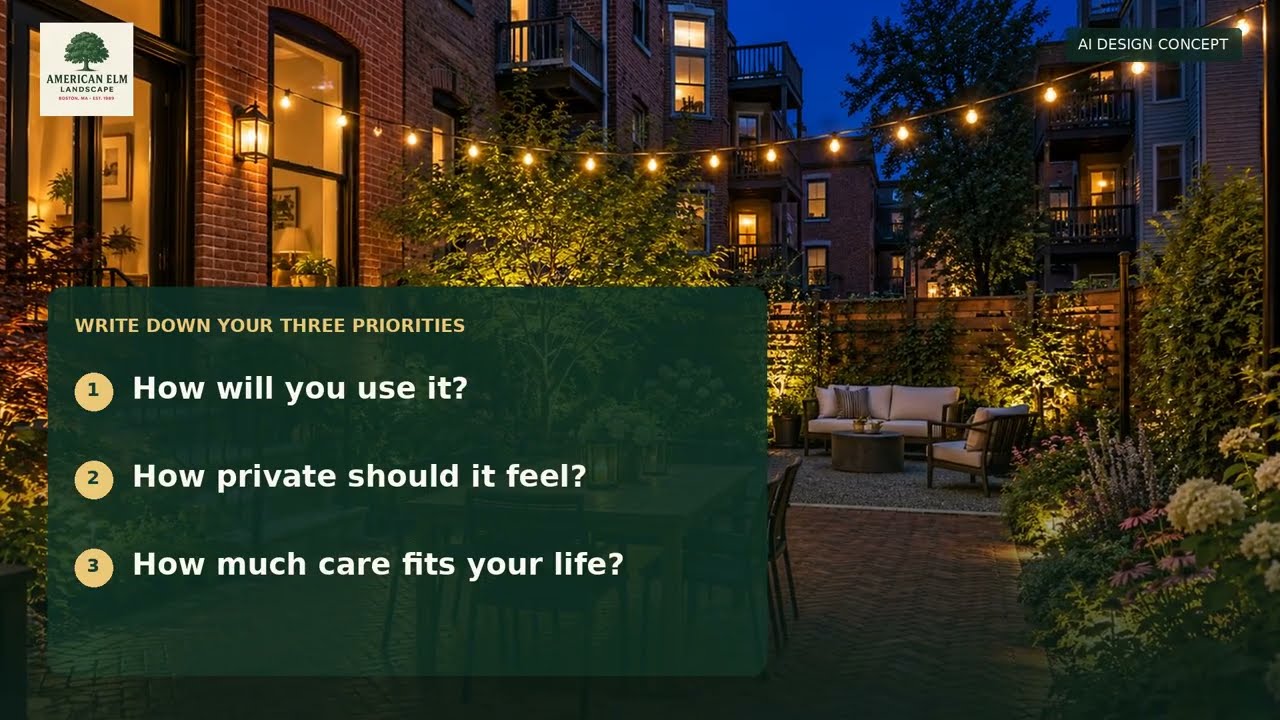
Watch: how to plan a city backyard around the way you actually live, before you pick a single paver.
More detail: small backyard patio ideas and what a small backyard makeover costs in Greater Boston.
Landscape and hardscape ideas for sloped yards
A lot of New England lots fall away from the house or toward a neighbor. A slope isn't a problem to hide. It's a chance to build level, usable space:
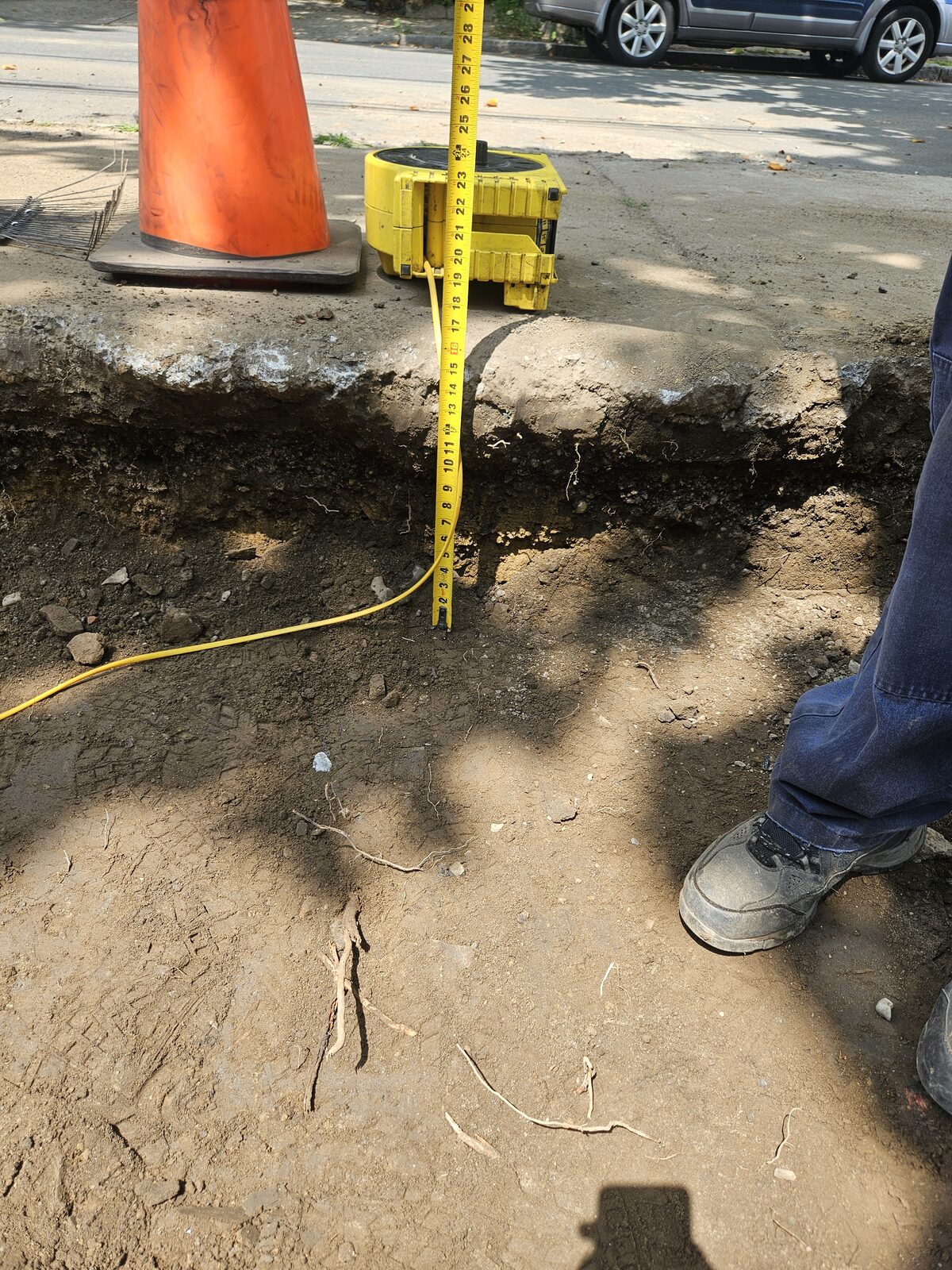
- Terrace it. Two or three shorter retaining walls usually look better, cost less to engineer and hold up better than one tall wall.
- Build the wall right. Compacted gravel base, drainage stone and a perforated drain pipe behind the wall. Water and frost pressure are what push walls over. Walls 4 feet or taller generally need a permit and an engineered design.
- Connect levels with real steps. Wide stone or paver steps with consistent risers, so the yard is safe to walk at night.
- Handle the water first. A slope sends rain somewhere. We grade and drain it away from the foundation before anything gets built.
- Plant the banks you don't terrace. Deep-rooted native shrubs and groundcovers hold soil better than lawn on a slope.
See our retaining wall contractor page, the retaining wall cost guide, and walkways and steps.
Front yard landscaping ideas for New England homes
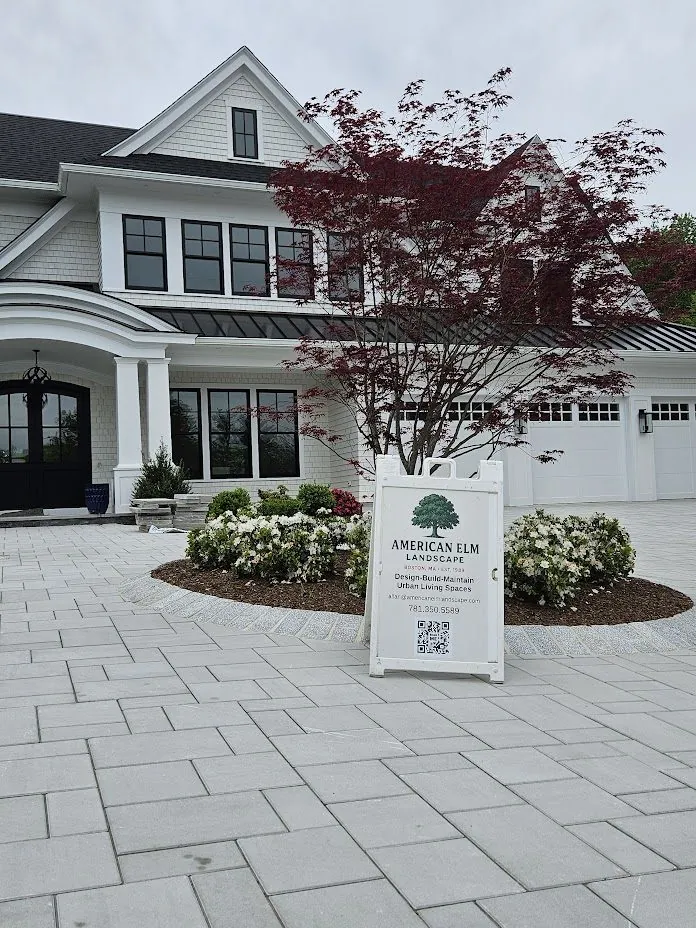
- Make the walk the star. A wider paver, brick or bluestone walk to the door does more for curb appeal than anything else. See what a paver walkway costs.
- Foundation plantings with evergreen backbone. Evergreens for winter, then flowering shrubs and perennials in front of them.
- Match the house. Pick paver and stone colors from the brick, siding or trim so the yard looks like it belongs.
- Upgrade the driveway. A paver or permeable driveway changes the whole front of the house, and permeable can help with stormwater rules like Somerville's Green Score.
- Light the path. Low-voltage landscape lighting on the walk and steps adds safety and makes the house look finished at night.
Backyard and outdoor living ideas
- A patio you'll actually use. Put it where the door is and where the evening sun lands.
- A focal point. A fire pit, a specimen tree like a weeping cherry, or a seat wall gives the yard a center.
- Mix materials. Pavers with a contrasting border, stone with a turf inlay, or bluestone with planting pockets.
- Low-maintenance lawn options. Where grass won't grow or the dog has won, synthetic turf stays green and drains well.


See more finished jobs on our recent projects page.
30 landscape design principles we use on every job
1. Start With a Landscape Design Plan
One of the biggest mistakes homeowners make is tackling projects one at a time without a long-term plan. A professionally designed landscape considers everything together — patios, walkways, drainage, lighting, trees, and planting beds. Even if the work is done in stages, starting with a master plan saves money and creates a more cohesive yard.
2. Create an Outdoor Living Space
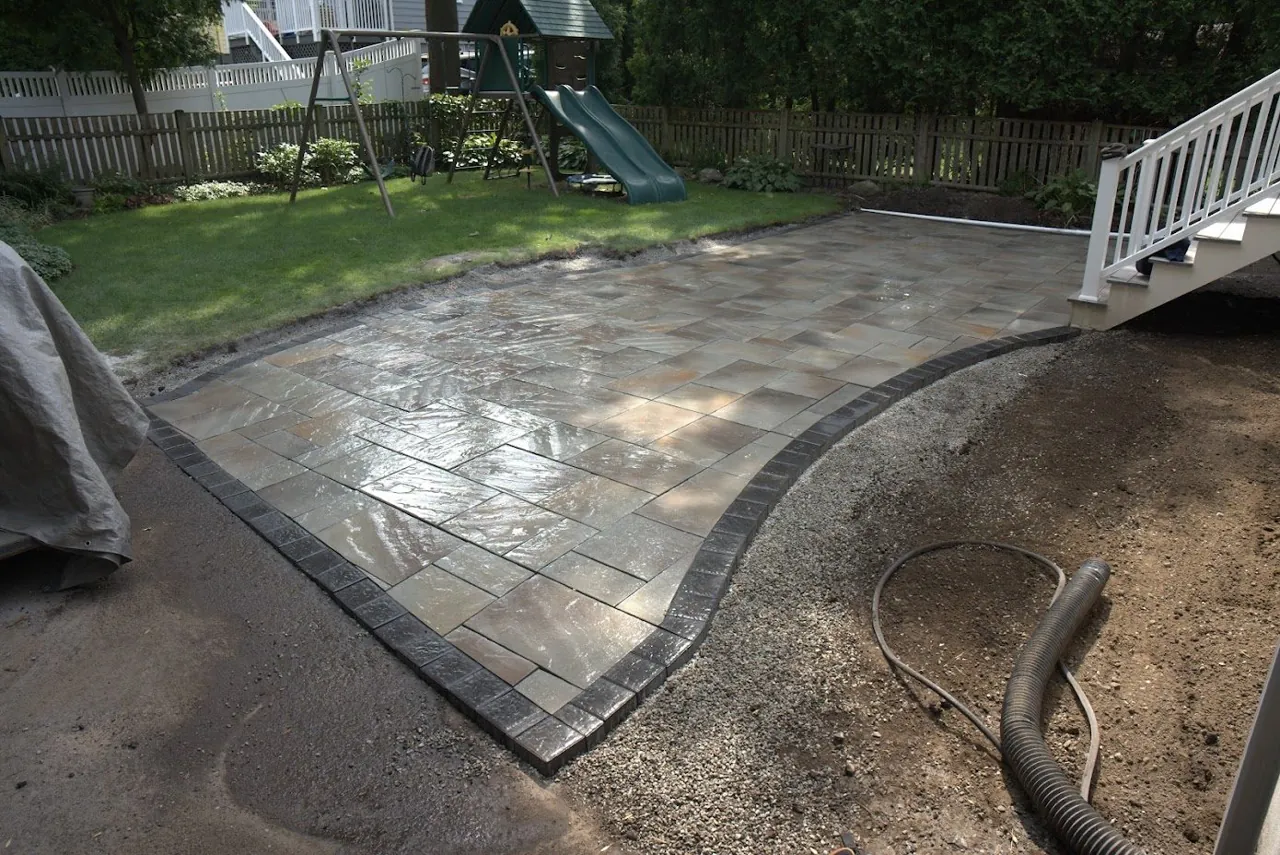
Your backyard should feel like an extension of your home. Think about how you want to use the space — outdoor dining, fire-pit gatherings, family cookouts, quiet mornings with coffee, entertaining friends. A well-designed patio becomes another room you'll enjoy for years.
3. Give Your Yard a Focal Point
Every great landscape has something that immediately catches your eye — a beautiful paver patio, a specimen tree, a water feature, a fire pit, or a natural stone wall. Everything else in the yard should help guide your eye toward that feature.
4. Use Curved Planting Beds
Straight lines can make a yard feel rigid. Soft curves create movement, make smaller yards feel larger, and give a landscape the natural look that fits New England homes beautifully.
5. Repeat Materials Throughout Your Landscape
Professional landscapes feel connected because materials repeat across the property — the same paver style on the front walk and back patio, matching stone accents, repeating shrub varieties, consistent mulch color. These small details make a yard look professionally designed.
6. Layer Plants for Depth
A beautiful planting bed isn't just about flowers. We arrange plants by height — taller trees and shrubs in back, medium shrubs in the middle, perennials and groundcovers in front. That creates depth, texture, and year-round interest.
7. Choose Plants That Look Great All Year
Massachusetts has four distinct seasons, so your landscape should too. Mix spring blooms, summer flowers, fall color, winter evergreens, ornamental grasses, and interesting bark. A four-season landscape always has something to admire.
8. Plant in Groups
Three, five, or seven plants together create a much stronger visual impact than single shrubs scattered around the yard. Grouping also makes maintenance easier and looks more natural.
9. Use Native Massachusetts Plants
Native plants are some of the best choices for New England. They typically need less water and maintenance, resist disease better, and support pollinators — beautiful, practical, and environmentally friendly.
10. Add Evergreen Structure
Evergreens keep your yard looking good in the middle of winter. They provide privacy, structure, and color when everything else has gone dormant.
11. Hide Utility Areas
Air conditioners, electrical boxes, trash bins, and meters don't have to be the first thing people notice. Well-placed shrubs, grasses, or decorative screening soften these areas without blocking access.
12. Build Privacy Naturally
Instead of relying only on fencing, consider layered evergreen plantings. They give you year-round privacy while making the property feel greener and more inviting.
13. Don't Overcrowd Plants
It's hard to picture how big a small shrub will get. Giving plants room to mature keeps them healthier and cuts down on future pruning.
14. Choose Low-Maintenance Landscaping
A beautiful yard shouldn't become a full-time job. Putting the right plants in the right spots greatly reduces watering, pruning, and long-term upkeep.
15. Invest in Quality Hardscaping
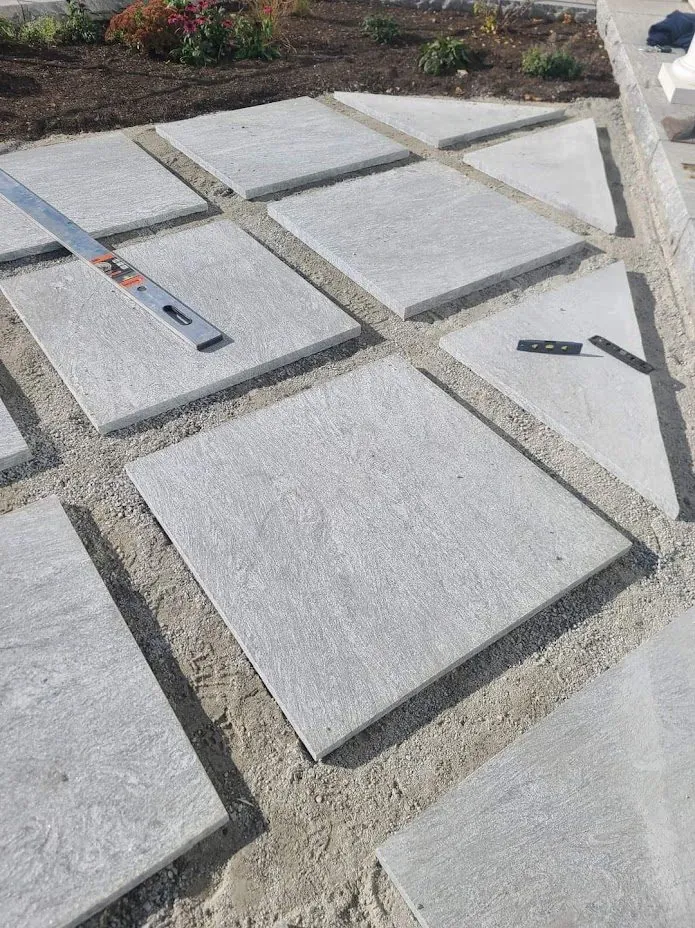
A patio is only as good as what's underneath it. Proper excavation, drainage, and base preparation are what keep it level and beautiful for decades.
16. Don't Ignore Drainage
Water is one of the biggest threats to any landscape. Proper grading, drainage systems, and permeable pavers protect your investment while reducing runoff. Allan is an NDS Certified Professional Drainage Contractor, which few local landscapers are, so drainage is designed in from the start. See our yard drainage and French drain work.
17. Consider Permeable Pavers
Permeable paver patios and driveways are increasingly popular across Greater Boston. They let rainwater soak into the ground, reduce stormwater runoff, and can help meet local requirements like Somerville's Green Score.

Watch: how permeable pavers work, on a real Somerville job.
18. Keep Edges Clean
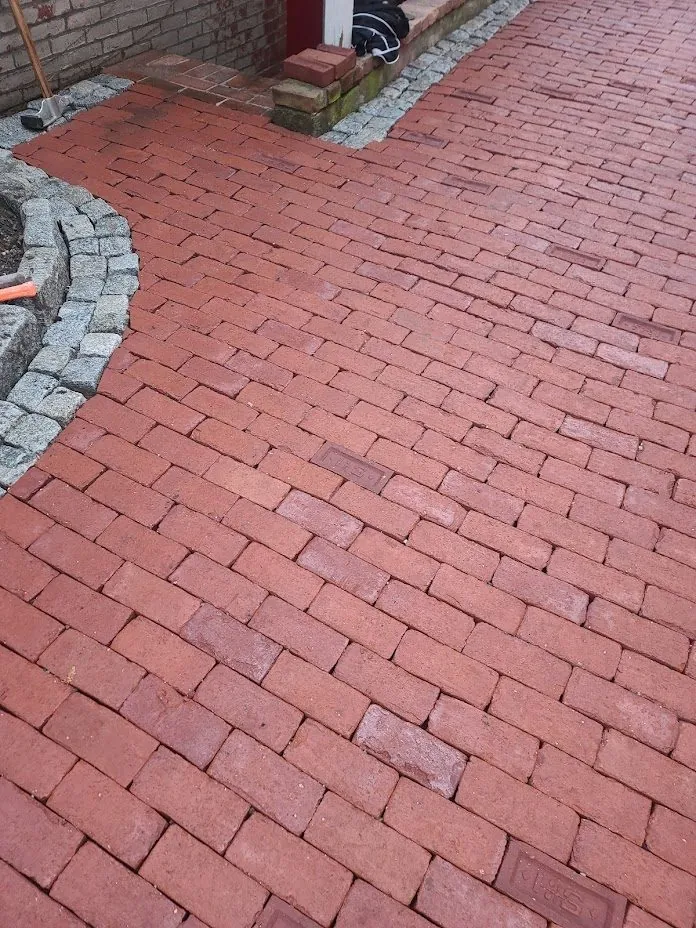
One simple detail instantly makes any landscape look better: clean edges. Defined planting beds, crisp lawn borders, and neat walkways create a polished, finished look.
19. Add Landscape Lighting
Outdoor lighting extends the enjoyment of your yard and improves safety. It can highlight walkways, patios, stone walls, trees, entryways, and garden beds.
20. Mix Different Textures
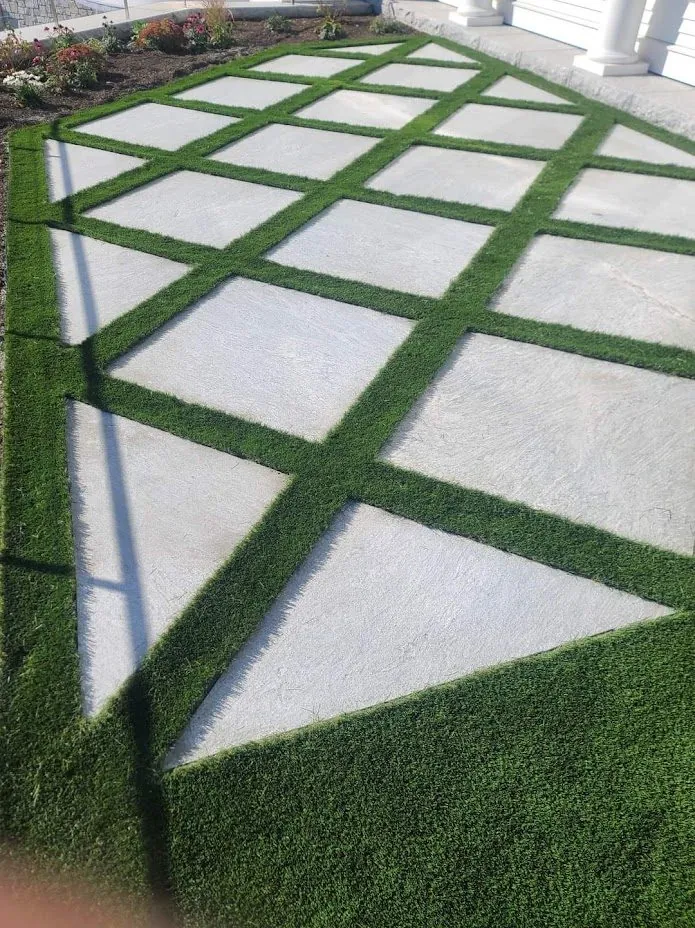
Combining ornamental grasses, flowering perennials, evergreen shrubs, natural stone, and decorative mulch adds visual interest all year long.
21. Keep Your Color Palette Simple
Limiting flower colors often creates a more elegant, cohesive landscape. Two or three complementary colors usually look cleaner than using every color available.
22. Add Natural Stone Features
Boulders, stone walls, and natural stone accents add character that blends beautifully with New England architecture.
23. Think About Future Maintenance
Before installing any plant, ask: will this still fit here in ten years? Planning ahead saves both time and money.
24. Create Outdoor Living Areas
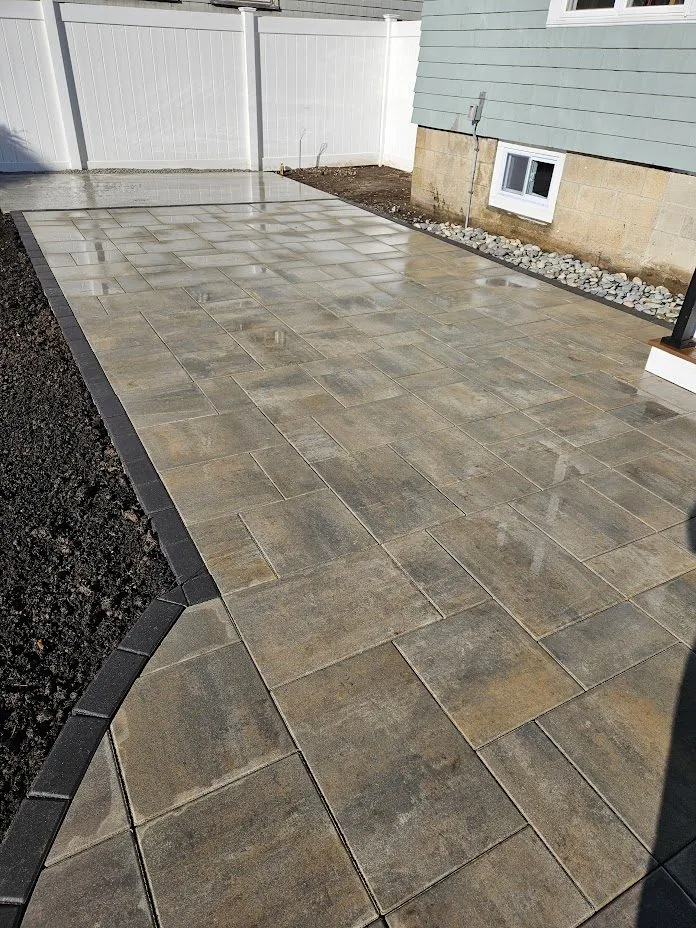
Today's homeowners want more than just lawn. Popular features include paver patios, outdoor kitchens, fire pits, seating walls, pergolas, and garden paths — spaces you'll actually use.
25. Improve Your Home's Curb Appeal
Your front yard creates the first impression. Fresh mulch, new shrubs, updated walkways, and landscape lighting can dramatically improve your home's appearance.
26. Add Vertical Interest
Small ornamental trees, climbing plants, and decorative structures draw the eye upward and add dimension to a landscape.
27. Don't Fill Every Space
Sometimes less really is more. Open lawn, patio, and gravel areas provide balance and make your favorite features stand out.
28. Build Healthy Soil
Healthy plants start underground. Adding compost and quality soil amendments helps plants build stronger roots and thrive.
29. Hire Experienced Professionals
A professionally installed landscape not only looks better, it usually lasts much longer. Proper grading, drainage, plant selection and installation all matter. Ask any contractor how deep their base is and where the water goes. We're a family-run design-build company in Medford since 1989, a Unilock Authorized Contractor and NDS certified for drainage.
30. Think Long-Term
The best landscapes keep improving every year. Thoughtful planning today helps you avoid expensive repairs and renovations down the road.
What these ideas cost in Greater Boston
These are our typical installed prices, not quotes. Access, demolition, grade and drainage all change the number. Try the instant patio and turf cost estimator for a ballpark on your yard.
| Element | Typical installed cost |
|---|---|
| Concrete paver patio | About $38 per sq ft (12×12 ≈ $5,500). Paver patio cost guide |
| Natural bluestone patio | About $50 per sq ft (12×12 ≈ $7,200) |
| Synthetic turf | About $15–$20 per sq ft |
| Segmental retaining wall | About $30–$60 per sq ft of wall face |
| Shrubs and plants | About $75–$100 per plant, installed |
| Drainage | About $1,500 for a simple downspout line or dry well, up to $5,000+ for a full French drain system |
Landscape design questions we hear most
What are good landscape design ideas for a small city yard?
Start with how you'll use it, then give most of the space to one good patio and plant the edges. In Somerville, Cambridge and Boston yards we usually build a paver or bluestone patio sized for your table, add layered planting or a screen for privacy, and keep paths to the ones you actually walk. One clear plan beats a yard full of small features.
How do you landscape a sloped yard in New England?
Turn the slope into level terraces with retaining walls and connect them with steps. Every wall needs a compacted gravel base, drainage stone and a drain pipe behind it, or frost and water will push it over. Walls 4 feet or taller generally need a permit and an engineered design in Massachusetts.
What landscaping holds up best in Massachusetts winters?
Hardscape built on a deep, compacted base, and plants that already grow here. Concrete pavers, natural bluestone and granite handle freeze-thaw when the base and drainage are right. Native shrubs and evergreens give you structure and color through the winter with less care.
How much does landscape design and installation cost in Greater Boston?
It depends on what you build. Our installed paver patios run about $38 per square foot (a 12×12 is about $5,500), bluestone about $50, synthetic turf about $15 to $20, segmental retaining walls about $30 to $60 per square foot of wall face, and shrubs about $75 to $100 each. Access and drainage move the number, so every yard gets a free visit and a written estimate.
Should I fix drainage before building a patio or planting?
Yes. Water problems get worse under a new patio, not better, and they are what make patios heave and walls lean. We grade the site and add downspout lines, dry wells or French drains first. Allan is an NDS Certified Professional Drainage Contractor, so drainage is planned into every design.
Can a landscape project be done in phases?
Yes. We design the whole yard up front, then build it in phases, often the patio and drainage first and planting or lighting the next season. Each phase is built to tie into the next, so nothing gets torn out later.
Ready to transform your landscape?
Whether it's a custom patio, a full backyard makeover, native plantings, or a permeable paver driveway, we'd love to help. Call or send a message for a free on-site consultation.
Get an Instant Estimate Book a Free Site Visit 📞 (781) 859-5304